


Table of Contents
This post contains affiliate links. If you buy through them, we may earn a small commission at no extra cost to you.
Learn to Unlearn: The Growth Skill You Can’t Ignore

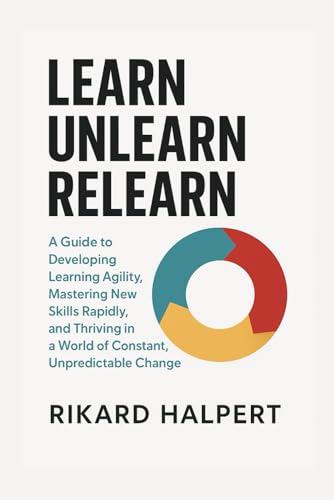
Your next breakthrough might not require another course, a new productivity app, or more information. It might require letting go of an idea you have defended for years.
We celebrate learning because it feels like progress: new skills, sharper insights, better qualifications. Unlearning asks something less comfortable: reconsidering the habits, assumptions, and approaches that once made us feel capable.
That familiar routine? It may no longer serve its purpose. That leadership style? It might need an update. That belief about what you can achieve? It deserves another look.
Learning to unlearn means letting go of the assumption that familiarity proves something still works.
This is not about dismissing your experience. It is about making sure your experience supports your future instead of limiting it.
What Does It Actually Mean to Learn to Unlearn?
Unlearning is the deliberate process of questioning an established belief or behavior, recognizing when it no longer fits, and replacing it with a more useful approach.
It does not mean forgetting everything you know. It means becoming more selective about what you carry forward.
Consider a manager who believes effective leadership requires approving every decision. As the team grows, that approach could create delays and discourage ownership. Learning another management technique may help, but meaningful change also requires letting go of the belief that control equals effectiveness.
The same principle applies beyond work. You might need to reconsider how you respond to criticism, manage your time, or define success.
Continuous learning adds to your understanding. Unlearning examines whether the foundation beneath that understanding needs attention.
Both matter. Collecting new ideas while refusing to question old assumptions can leave you informed but unchanged.
1. Courage: Question What Feels Safe
Unlearning begins with an uncomfortable possibility: your familiar approach might be part of the problem.
That is difficult to acknowledge when you have invested years in building expertise. Questioning a method can feel like questioning your competence. Revisiting a decision can feel like admitting defeat.
But changing your approach does not erase the value of your earlier work. It shows that you are willing to respond to what you know now.
Watch for moments that deserve investigation:
- You dismiss a suggestion before understanding it.
- You defend a process mainly because it has always been used.
- You receive similar feedback repeatedly but make no changes.
- You avoid something new because being a beginner feels uncomfortable.
These are prompts for reflection, not automatic proof that your approach is wrong.
A growth mindset starts with the willingness to ask a better question: “What could I be missing?”
Courage is not agreeing with every challenge. It is examining the challenge before protecting your position.
2. Intentionality: Stop Waiting Until Change Becomes Urgent
Recognizing the need for change is not the same as choosing to change.
You can acknowledge an outdated habit and still repeat it tomorrow. You can bookmark useful advice and never put it into practice. Awareness opens the door; intentional action moves you through it.
Start by choosing one pattern to examine. Avoid turning personal growth into a complete life overhaul.
Perhaps you interrupt people because you assume speed signals competence. Perhaps you delay difficult conversations because you associate disagreement with damaged relationships.
Name the underlying belief, then decide what you will do differently.
Instead of saying, “I need to listen better,” commit to asking one clarifying question before offering your opinion. Instead of promising to become more adaptable, test an alternative approach on a manageable task.
Specific actions make your intention observable.
You do not need to wait for a crisis to review what is no longer working. Schedule time to reflect while you still have room to experiment.
3. Commitment: Practice Beyond the Initial Excitement


Deciding to change can feel energizing. Practicing the change when you are tired, rushed, or frustrated is another matter.
An established habit is familiar. A replacement behavior requires attention. That difference can make the old approach feel more efficient, even when you have good reasons to move away from it.
This is where commitment becomes practical rather than motivational.
If you want to learn to unlearn, create conditions that support the new behavior:
- Choose a replacement action, not just a habit to stop.
- Practice in situations where mistakes are manageable.
- Use a simple reminder when you need it.
- Review what happened and adjust your approach.
- Ask someone you trust for specific feedback.
For example, if you are working on delegating, begin with a clearly defined responsibility. Agree on the outcome, clarify boundaries, and resist stepping in simply because someone works differently.
Progress does not require flawless execution. It requires returning to the practice after you notice yourself slipping.
Commitment means staying engaged long enough to learn from the experiment.
4. Humility: Let Your Expertise Stay Open to Revision
Expertise is valuable. Treating it as complete is where problems can begin.
Humility lets you acknowledge your knowledge has limits without dismissing what you already know. You can be experienced and still need guidance. You can be capable and still misunderstand a situation.
This is especially important when your identity is tied to being the person with answers.
Imagine a leader receiving useful feedback from someone newer to the team. The choice is not between authority and surrender. The choice is whether to evaluate the feedback on its merits.
A practical response might be: “I have approached this differently. Walk me through what you are seeing.”
That response creates room for insight without committing to an immediate change.
A growth mindset is not simply enthusiasm for improvement. It also involves being willing to revise your understanding when the evidence calls for it.
You do not lose credibility by thinking again. You allow your judgment to improve.
The Cost of Refusing to Unlearn
Not every established practice is outdated. Some routines remain effective because they solve enduring problems well.
The risk is refusing to examine them.
An unchecked assumption can shape decisions long after the conditions that supported it have changed. A process designed for a small team may become cumbersome as responsibilities expand. A protective habit may start preventing useful conversations.
In everyday life, refusing to reconsider a belief can narrow the options you are willing to explore.
The cost may appear as repeated frustration, avoidable work, missed feedback, or stalled personal growth.
Before defending a familiar approach, ask:
- What purpose does this serve today?
- What evidence suggests it is still effective?
- What would make me reconsider it?
The goal is not constant reinvention. It is knowing the difference between consistency and resistance.
Build a Practical Unlearning Routine
Unlearning becomes more manageable when you give it a repeatable structure.
Choose one situation that keeps producing an outcome you want to change. Describe what happens without immediately blaming yourself or someone else.
Then work through these five actions:
- Identify the assumption. Write down what you believe must be true in that situation.
- Examine the evidence. Separate what you have observed from what you have inferred.
- Choose an alternative. Define one different response you can realistically test.
- Run a small experiment. Try the response within clear boundaries.
- Review the outcome. Decide what to keep, adjust, or investigate further.
Suppose you believe every message needs an immediate reply. You could test designated response windows for non-urgent messages while keeping a clear route for urgent requests.
The point is not to declare your original belief wrong in advance. It is to learn whether another approach works better under the circumstances.
This turns continuous learning into a cycle of reflection and action rather than an endless collection of advice.
Start Small, but Start Honestly


No career stage or season of life is perfect for unlearning.
Students can question how they study. Professionals can reconsider how they collaborate. Leaders can revisit how they exercise authority. Anyone can examine a habit that no longer supports the life they want to build.
To learn to unlearn quickly, shorten the distance between noticing a problem and investigating it. Do not confuse speed with rushing toward an untested answer.
Bring courage to the question, intention to the first step, commitment to the practice, and humility to the results.
You do not need to abandon everything that brought you here. You need to decide what deserves to come with you.
This week, choose one familiar assumption. Write it down. Test it thoughtfully. Your next step forward may begin with something you are finally willing to reconsider.