

Table of Contents
This post contains affiliate links. If you buy through them, we may earn a small commission at no extra cost to you.
How to Avoid Complacency: Stop the Small Leaks Before They Sink Your Organization
The Quiet Threat Behind Visible Success


Complacency is one of the most underestimated threats in leadership and business. It does not arrive with alarms, dramatic announcements, or an obvious collapse. It enters quietly, often disguised as comfort, confidence, routine, or past success.
By the time its impact becomes visible, the damage may already be spreading across decisions, teams, products, and performance.
Successful people and respected organizations are not immune. In fact, achievement can create the perfect environment for complacency to grow. When yesterday’s results become today’s standard of confidence, leaders may stop questioning assumptions, teams may stop challenging outdated practices, and organizations may mistake movement for meaningful progress.
That is what makes organizational complacency so dangerous. It rarely looks like laziness. It can look like loyalty to familiar systems, confidence in a proven strategy, or a preference for “the way we have always done it.”
Beneath that comfort, however, small leaks may be forming. Vision becomes diluted, priorities compete, accountability weakens, innovation slows, and quality gradually declines.
Like a small leak in a great ship, complacency may appear manageable at first. Ignore it long enough, and it can threaten everything the organization has built.
What Complacency Really Looks Like
Complacency is a false sense of security that reduces the urgency to learn, improve, question, and adapt. It becomes deeply rooted when people consistently put personal preferences above shared priorities.
A person may defend an ineffective approach by saying, “This is my style of doing things,” even when that style no longer supports the organization’s goals.
Complacency in leadership becomes particularly dangerous because it influences more than one person. A leader’s assumptions shape decisions, expectations, communication, and workplace culture. When leaders become comfortable with weak standards, everyone receives permission to accept less.
Strong leadership builds trust by recognizing dangerous patterns early, addressing weak points honestly, and correcting direction before the organization faces costly recovery.
Five Warning Signs of Complacency in Leadership
Complacency often shows up in behaviors that seem harmless on their own. Leaders should pay attention to the following warning signs:
- The vision is no longer visible. People become highly active but cannot explain where their work is leading. Mission-driven activity without a clearly understood vision creates speed without direction. Teams may complete tasks, attend meetings, and hit short-term targets while moving further away from the organization’s destination.
- Past achievements become a comfort zone. Success can create confidence, but unmanaged confidence becomes entitlement. When leaders rely too heavily on previous wins, they may stop exploring opportunities, listening to changing customer needs, or preparing for emerging risks. A strong track record should become a foundation for growth, not an excuse to stop evolving.
- Preferences begin replacing priorities. Every team and role contributes to the final result. Problems begin when departments, managers, or individuals redefine priorities according to convenience. Competing interpretations slow execution and force teams to repeatedly rework decisions that should have been aligned from the beginning.
- Communication becomes impressive but unclear. Excessive jargon, polished presentations, and complicated language can hide the central message. Communication should create clarity, urgency, and action. If people leave a meeting with different interpretations of the vision, the message wasn’t communicated successfully.
- People protect themselves instead of taking ownership. In a fear-driven workplace culture, employees avoid risk, defend their positions, and shift responsibility when results fall short. This survival mindset blocks honest feedback and courageous action. People choose the safest personal outcome instead of the strongest organizational outcome.
Don’t dismiss these signals as isolated performance problems. Together, they can indicate that complacency has already entered the organization’s culture.
Communicate the Vision Until It Becomes Action
A vision has no operational value if it remains inside the boardroom. Leaders must employ specific strategies like regular town halls, visual dashboards, and consistent messaging to communicate it clearly across every level of the organization.
The message, purpose, urgency, and expected outcome should remain consistent from senior leadership to frontline execution. When each level receives a different version, alignment breaks, and momentum becomes fragmented.
Effective communication is not simply repeating a slogan. It means helping people understand how their decisions, standards, and daily responsibilities connect to the bigger goal.
Leaders should regularly ask:
- Can employees explain the vision in their own words?
- Do teams understand how their work supports that vision?
- Are priorities consistent across departments?
- Is the urgency behind the strategy clearly understood?
- Can people identify what success should look like?
If employees cannot answer these questions, the organization may not have an execution problem yet. It has a communication problem.
Leaders who want to avoid complacency must make the vision a regular conversation, not an annual presentation.

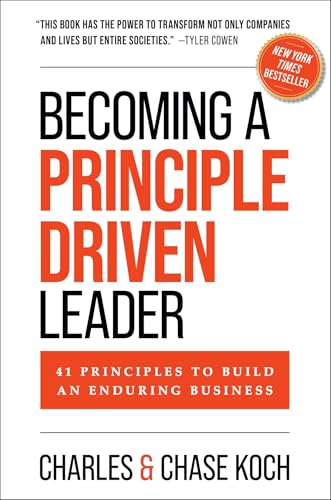
Protect Priorities From Personal Preferences
Priorities should remain stable as they move through management layers, creating a sense of control and reliability that guides teams effectively toward shared goals.
When managers define work without connecting it to the vision, teams must reinterpret expectations. This creates delays, duplicated effort, internal tension, and inconsistent standards across the organization.
To prevent this leak, leaders must make priorities visible and measurable. Every major initiative should answer three questions:
- Why does this matter?
- What outcome are we pursuing?
- How will we know we are progressing?
Clear answers reduce confusion, expose distractions, and make accountability part of the operating culture rather than a reaction to failure.
Leaders must also be willing to challenge activity that does not support the organization’s priorities. Being busy is not the same as being effective. A full calendar, growing task list, or impressive dashboard means little if the work is disconnected from the vision.
Choose Challenge Over Survival
Complacent teams often operate in survival mode. People do enough to avoid criticism, protect their position, or reach the next deadline, but they do not bring the courage, creativity, and ownership required for exceptional performance.
Challenge and risk are connected. Meaningful progress requires people to move beyond what is familiar, test stronger ideas, question established assumptions, and accept responsibility for thoughtful decisions.
However, leaders cannot demand courage while creating an environment of fear.
A strong support system permits people to:
- Raise concerns before they become crises
- Challenge assumptions respectfully
- Recommend unconventional solutions
- Learn from responsible risks
- Take ownership without fearing humiliation
Without that support, employees naturally ask, “Why should I risk it?”
Missed deadlines, weak engagement, and inconsistent productivity then become predictable outcomes rather than surprising failures.
Measure Quality, Not Just Activity
A production mentality can make quantity look like progress. More calls, reports, meetings, and output may create impressive dashboards, but volume alone does not guarantee value.
When people are pushed to do more instead of doing their best, quality declines, burnout increases, and the organization begins rewarding visible activity rather than meaningful impact.
Quality-focused leadership asks deeper questions. Did the work solve the right problem? Did it meet the expected standard? Did it create lasting value? Did it move the organization closer to its vision?
Numbers matter, but they need context. The strongest organizations measure both output and impact.
Build Faith Through Credible Leadership
Fear expands when leadership credibility weakens. If employees do not trust the direction, process, or support system, they create their own methods to protect themselves.
Those methods may solve immediate problems, but they often conflict with organizational expectations.
Credible leaders reverse this pattern by:
- Communicating honestly
- Keeping their commitments
- Rewarding accountability
- Supporting responsible decisions
- Responding constructively to difficult feedback
- Applying standards consistently
Faith in leadership does not mean blind agreement. It means people trust that leaders will listen, act fairly, and remain committed to the organization’s stated values.
That trust creates the psychological safety required for ownership, collaboration, and innovation.


Complacency Can Sink Any Great Ship
A company, team, product, or idea can appear successful while quietly drifting away from its destination. When leaders ignore early warning signs, minor leaks become structural weaknesses.
False assumptions replace honest evaluation. Preferences replace priorities. Fear replaces ownership. Quantity replaces quality. Eventually, the organization may discover that it has been moving quickly in the wrong direction.
Avoiding complacency takes more than motivational speeches or ambitious targets. It demands disciplined leadership, clear communication, visible priorities, courageous accountability, and a culture that refuses to confuse comfort with progress.
Leaders must continually revisit the vision, examine results, question assumptions, and listen to the people closest to the work. They must celebrate success without becoming trapped by it.
The greatest danger is not always a dramatic external threat. Sometimes, it is the small internal leak everyone noticed, but nobody considered urgent.
Great ships rarely sink because of one drop of water. They sink when you ignore the leak.
Protect the vision. Strengthen the culture. Challenge comfortable assumptions. Address the small leaks before they become impossible to contain.