
Table of Contents
This post contains affiliate links. If you buy through them, we may earn a small commission at no extra cost to you.
Aviation in 2026: How Electric Flight, Air Taxis, and Green Innovation Are Reshaping the Skies
Aviation is entering one of the most exciting periods of transformation in modern transportation history. For decades, air travel has connected continents, powered trade, supported tourism, and made the world feel smaller. But it has also depended heavily on fossil fuels, high operating costs, and infrastructure that now faces growing pressure to evolve. Today, Aviation is no longer just about faster planes and bigger airports. It is about smarter systems, cleaner energy, and a new vision for how people and goods move through the air.
Across the transportation sector, electrification is already changing the game. Cars, delivery vans, buses, and even trucks are shifting toward battery-powered and hybrid systems. That same momentum is beginning to seriously influence Airways. While fully electric long-haul commercial planes are not yet ready to dominate the skies, the industry is making rapid progress in areas such as electric aircraft, sustainable aviation fuel, and air taxis. These breakthroughs are setting the stage for a future where flying becomes more efficient, more flexible, and far more sustainable.


Why Aviation Is Under Pressure to Change
The global Airway industry has long been one of the most important pillars of the modern economy. Airlines move millions of passengers every day, while cargo aircraft keep supply chains alive by transporting food, medicine, electronics, and industrial materials around the world. Without Airways, global business and international mobility would look completely different.
At the same time, the industry faces major challenges. Conventional aircraft rely on jet fuel, and that dependence creates both economic and environmental pressure. Fuel prices fluctuate, geopolitical conflicts can disrupt supply, and airlines often feel the impact immediately. On top of that, carbon emissions from aircraft remain a central concern in conversations about climate change.
That is exactly why innovation in Airways matters now more than ever. The future of flight must balance performance, cost, convenience, and environmental responsibility. The question is no longer whether change is coming. The real question is how quickly the sector can scale emerging technologies.
The Rise of Electric Aircraft
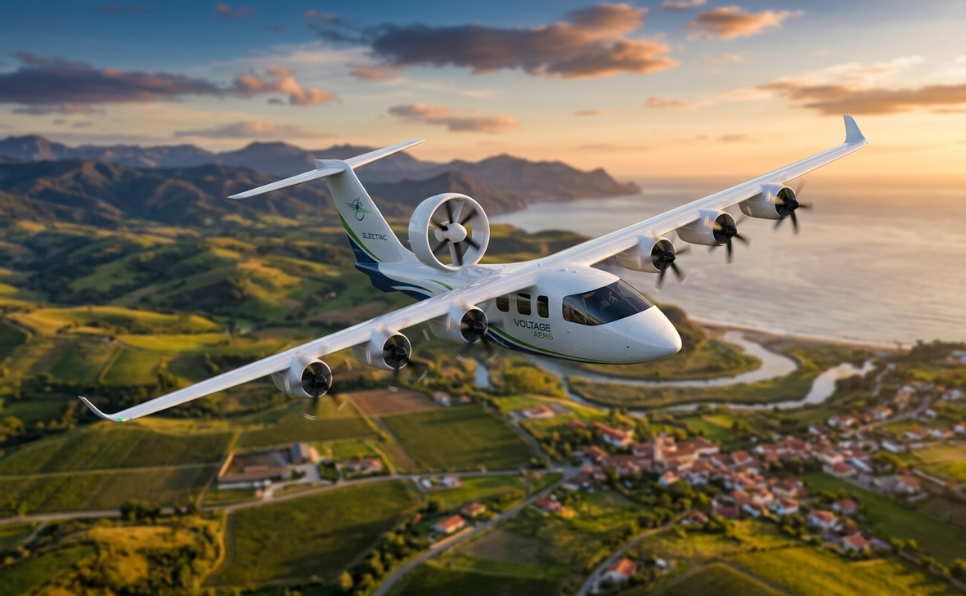
One of the biggest trends shaping Aviation is the development of electric aircraft. These aircraft are designed to use electric propulsion systems instead of, or alongside, traditional fuel-powered engines. Right now, this technology is advancing fastest in small aircraft and short-range travel.
We are already seeing electric aircraft used in testing, pilot programs, and early commercial markets. Some smaller planes can travel roughly 250 to 300 miles on a single charge, which makes them suitable for regional trips, training missions, or short-distance passenger routes. This may not sound revolutionary compared to intercontinental flights, but it is a critical first step.
In Aviation, most disruptive technologies start in smaller, more controlled use cases before expanding into larger markets. That is exactly what is happening here. Short-haul routes, private air mobility, pilot academies, and special-purpose aircraft are becoming ideal proving grounds for electric flight. As battery density improves and lightweight materials become more advanced, the possibilities for electric aircraft will continue to expand.
Another advantage is lower mechanical complexity. Electric propulsion systems may reduce maintenance demands compared to traditional engines, potentially lowering operating costs over time. For airlines and aviation startups, this could open the door to new business models that make short-distance flying more affordable and more accessible.
Air Taxis Are Turning Sci-Fi into Reality
If there is one trend making Aviation feel especially futuristic, it is the rise of air taxis. These next-generation aircraft, often designed with electric vertical takeoff and landing technology, aim to provide short urban or regional flights that bypass road traffic entirely.
Air taxis are being developed to carry passengers quickly and efficiently across cities or between nearby destinations. Imagine booking a flight for a short commute across a congested metro area and arriving in minutes instead of spending an hour stuck on the road. That is the vision many innovators are working toward.
For Aviation, air taxis represent more than convenience. They could reshape urban mobility. Because many of these aircraft are being designed for vertical takeoff and landing, they may not require the same long runways as conventional airplanes. Instead, they could operate from compact launch pads, rooftop hubs, or dedicated urban terminals.
This creates exciting possibilities for city planning, airport expansion, and regional transportation networks. In the long term, air taxis could become part of a broader connected mobility ecosystem that includes trains, electric cars, public transit, and smart logistics systems.
Still, there are real hurdles to overcome. Safety regulations, air traffic integration, charging infrastructure, and public trust all need to mature before air taxis become a common part of everyday travel. Even so, they are no longer a fantasy concept. They are becoming a serious chapter in the future of Airways.
Sustainable Aviation Fuel Is a Practical Bridge
While electric flight gets a lot of attention, sustainable aviation fuel may play an even larger role in the short and medium term. One of the reasons is simple: the current global fleet of commercial aircraft cannot be replaced overnight. Airlines need solutions that reduce emissions without requiring an immediate reinvention of the entire system.
That is where sustainable aviation fuel comes in. Often produced from renewable or lower-carbon sources, this fuel is designed to work with existing aircraft and infrastructure more easily than fully new propulsion systems. It offers Airways a more practical transition path while the industry continues to invest in electric and hybrid technologies.
For many experts, sustainable aviation fuel is one of the most realistic tools available right now for reducing the environmental impact of long-haul and high-capacity air travel. It helps bridge the gap between today’s aircraft and tomorrow’s cleaner alternatives.
This matters because large commercial planes require enormous amounts of energy. Current battery technology still struggles to deliver the energy density needed for heavy aircraft traveling across oceans or continents. Until that challenge is solved, sustainable aviation fuel will remain essential in helping Airways move toward lower emissions.
Why Commercial Airways Cannot Fully Electrify Yet
There is enormous enthusiasm for electrification, but Airways must also deal with the limits of physics. Batteries are improving, but they are still heavy. For long-distance commercial flights, that weight becomes a major problem. Aircraft need energy-dense systems that enable them to travel long distances while carrying passengers, cargo, and safety reserves. At the moment, battery technology is not quite there for large-scale, long-range commercial use.
This does not mean the future of Airways is stalled. It simply means the transition will happen in stages. Small electric aircraft will likely grow first. Hybrid systems may support fuel savings in larger planes. Sustainable aviation fuel will continue to act as a transitional tool. Over time, breakthroughs in batteries, hydrogen systems, or other advanced propulsion methods may unlock new possibilities.
In other words, the airway industry is not waiting for a single miracle solution. It is building a layered strategy.
The Infrastructure Challenge Ahead
Technology alone will not transform Airways. Infrastructure must evolve as well. If electric aircraft and air taxis become mainstream, airports and urban mobility systems will need major upgrades. Charging stations, energy management systems, maintenance facilities, vertiports, and smart traffic coordination platforms will all become increasingly important.
This is similar to what happened with electric vehicles on the ground. The vehicles improved, but infrastructure had to catch up through charging networks, service models, and policy support. Airways will need a similar ecosystem. Future-ready airports may look very different from the traditional airway hubs we know today.
Some may be designed specifically for regional electric aircraft. Others may include dedicated facilities for air taxis and autonomous aerial systems. These developments could create new economic opportunities while also reducing congestion at major airports.


The Big Opportunity for Airways
Despite the challenges, the opportunities in Aviation are massive. A cleaner, smarter airway sector could reduce operating costs, expand regional access, support greener logistics, and unlock faster transportation in crowded urban areas. It could also improve the public image of flying by aligning the industry more closely with global sustainability goals.
Most importantly, Airway innovation has the power to connect people in new ways. It can make travel more efficient, improve access to remote locations, and support faster delivery of critical supplies. From regional electric aircraft to sustainable aviation fuel to next-gen air taxis, the future of flight is being built piece by piece.
Final Thoughts
Airways is not standing still. It is reinventing itself through technology, sustainability, and new mobility models. The road ahead will not be simple. Battery limitations, infrastructure costs, regulation, and public adoption all remain significant challenges. But the direction is clear.
The future of Aviation will likely be hybrid before it becomes fully electric. It will be cleaner before it becomes carbon-light at scale. And it will be smarter, more connected, and more adaptable than ever before.
For travelers, businesses, and innovators alike, this is a space worth watching closely. The next era of Airways is already taking off, bringing a bold new vision for the skies.