
Table of Contents
This post contains affiliate links. If you buy through them, we may earn a small commission at no extra cost to you.
Are Smart Glasses Really Useful? A Practical Guide to Next‑Gen Glasses
We’re deep in the AI era now, and its influence is everywhere—on our phones, in our homes, and yes, even in our glasses.
What once felt like pure sci-fi—glasses that display videos and directions, answer our questions, recognise hand gestures, and talk back to us—is now sitting on store shelves. You can literally buy a pair today and experience a whole new digital layer in your everyday life.
But the big question remains: Are smart glasses genuinely useful, or are they just a flashy tech gimmick? Let’s break it down and see how practical they really are if you’re thinking about investing in a pair.
What Are Smart Glasses?
When regular glasses first hit the market, they were simply a second pair of eyes. Over time, features like photochromic lenses (that automatically darken in sunlight) made them more versatile, doubling as both vision correction and sunglasses.
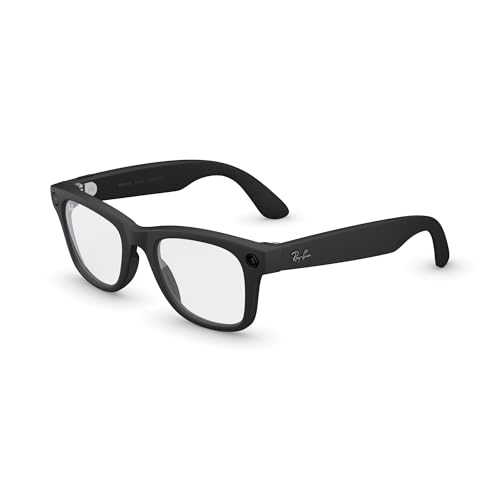
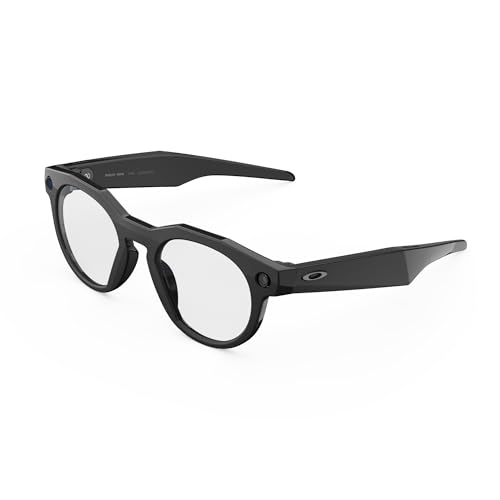
Then came the next leap: conventional glasses enhanced with tech. Add a tiny camera, speakers, a microphone, and software connectivity, and suddenly, you’re not just wearing glasses—you’re wearing smart glasses.
Just as the classic wristwatch evolved into a smartwatch and health companion, glasses are undergoing the same transformation. For many, they’re becoming an everyday essential rather than just a vision aid.
Some smart glasses now feature in-lens or heads-up displays that can show images, maps, notifications, and messages, or even let you ask AI questions about whatever you’re looking at. You can reply to texts silently, without taking out your phone—or even lifting a finger.
Built-in speakers let you listen to music, watch or record videos, and make live video calls so the person on the other end can literally see what you’re seeing. Certain models even support live translation and real-time captions, which can be a game-changer when you’re travelling or in a multilingual environment.
Who Should Buy Smart Glasses?
It’s hard to narrow smart glasses down to a single audience. Their appeal really depends on your lifestyle and interests. But a few groups stand out:
• Travellers who want hands-free navigation and instant translation.
• Tech enthusiasts who love experimenting with the latest innovations.
• Content creators who want a frictionless way to capture POV videos and photos.
• Differently abled users who can benefit from accessibility features like audio prompts, voice control, or live captions.
Technology is evolving at a wild pace, and we’re seeing it reshape our day-to-day experiences. At its core, the point of all this innovation is to enhance our lifestyle and add real value to how we work, socialise, and communicate.
We already juggle multiple communication tools on our phones—calls, texts, DMs, video chats, voice notes, and more. We’re constantly plugged in. Smart glasses step in as a more seamless, more ambient way to stay connected and share information.
Here’s where they really shine:
Navigation : We’re used to staring at our phones for directions, but smart glasses flip that experience on its head. Instead of constantly looking down at a screen, you can keep your head up while the directions appear in your field of view or are read out to you. Maps, arrows, and prompts can be embedded right into the lenses, guiding you without breaking your flow.
Messaging Texting has evolved from long, formal messages to shorthand, emojis, GIFs, and voice notes. Now we expect communication to be instant and effortless. Smart glasses let you read and respond to messages hands-free—via voice, subtle gestures, or AI-suggested replies—so you stay connected without being glued to your phone.
Calls and Video Calls. Remember when video calls felt futuristic? Now they’re a daily norm. Smart glasses take this a step further: you can talk to someone across the globe, see them, and even share your real-time point of view. Whether you’re walking through a new city or showing a friend something you’re working on, they can see exactly what you see.
Music and Voice Commands. With AI becoming more intuitive, speaking has essentially become a new kind of interface. Smart glasses tap into this by letting you control features with your voice—play music, get answers, ask for directions, set reminders, or pull up information without touching a screen.
At the end of the day, anyone who finds these features useful—or simply exciting—can buy and use smart glasses. They’re no longer limited to a niche group.
What Are the Dangers?
Of course, it’s not all upside-down. Wherever advanced technology goes, privacy concerns follow.
One of the biggest fears users have been not just about their own privacy, but the privacy of the people around them. Many smart glasses can record high-quality video, often discreetly. This footage can be stored, shared, edited, or even misused.
Constantly listening voice assistants are another concern. To respond instantly when we say a wake word or ask a question, these devices must be “always on” to some degree. Over time, this raises questions about how much is being captured, stored, analysed—and by whom.
This doesn’t just apply to smart glasses. Smart home speakers, smartwatches, phones, and pretty much anything with “smart” in its name come with similar risks. When everything is listening, collecting data, and connected to the cloud, the potential for misuse of privacy increases.
Even simple messaging can become risky. Imagine using hand gestures to trigger an auto-reply, but the system misinterprets your movement and sends the wrong response to the wrong person. A small glitch can sometimes lead to huge consequences.
Then there’s the broader issue of public disturbance and digital etiquette. Are you recording in public spaces? Are people around you aware? What laws protect them—or you? In many cases, both users and bystanders don’t fully understand what these devices can do or what the legal boundaries are.
Manufacturers often claim to have strong protections privacy policies in place, but most users never dive into the details. We only must learn through the experiences and the true consequences of having cameras, microphones, and AI Inclusion into our day-on-day Products.
Conclusion
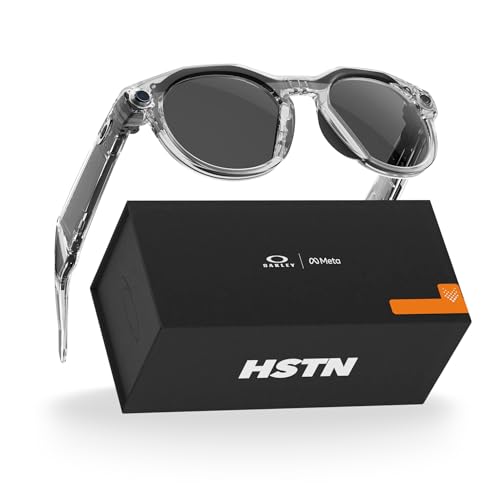
Smart glasses are undeniably impressive. They can manage technology onto your world, keep you connected hands-free, and unlock new ways to interact with technology.
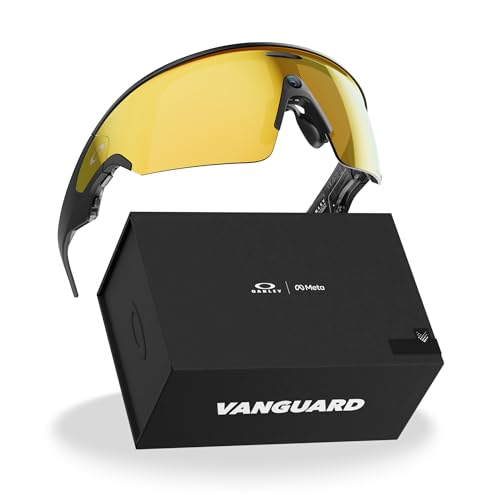
Demand is clearly growing—studies suggest that around 2 million units of Meta Ray-Ban smart glasses have already been sold, and that’s just one product line. Interest is rising, the audience is broad, and there’s no hard limit on who can use this tech.
But with that comes responsibility. Smart glasses can quietly record conversations, capture sensitive moments, and blur the line between public and private. Sometimes, we don’t even know whether they’re recording or not—and that’s exactly where the danger lies.
We can’t just wait for a worst-case scenario to unfold and then scramble to fix it. As these devices become more common, we need to be proactive: understanding the tech, demanding transparency, setting practical boundaries, and using it in ways that are meaningful, respectful, and genuinely useful.
Smart glasses are not just another cool invention or a wearable technology. Used wisely, they could redefine the POV of how we see and interact with the world. Used carelessly, they could also change how the world sees us—for the worse.