
Table of Contents
This post contains affiliate links. If you buy through them, we may earn a small commission at no extra cost to you.
How the Apple Ecosystem Transformed with Apple Silicon
If you’ve followed tech at all over the last few years, you already know: Apple walked away from Intel in 2020 and started using its own processors across the entire lineup. Since then, every major Apple product has been running on Apple Silicon—and the whole ecosystem feels completely different.
When Tim Cook unveiled the M1 chip for the MacBook in late 2020, many wondered whether the Mac line was on its last legs. Instead, that moment turned out to be a reset. Sales climbed, confidence in the Mac came roaring back, and Apple’s long-term hardware strategy suddenly made a lot more sense.
These microchips are the heart and brain of every device, and they’ve evolved fast. They reshaped how Apple designs products, how its devices work together, and how users experience the brand day to day. Let’s rewind a bit, look at what Apple originally set out to do with Apple Silicon, and see how it’s playing out now.

What Is Apple Silicon?
At the core of every computer is the processor—the CPU. It’s the central hub where data gets crunched, routed, and turned into the apps and experiences we use every day.
Back in 2005, Apple switched the Mac to Intel chips. That partnership worked well for about 15 years. But eventually, Intel’s roadmap and Apple’s vision stopped lining up. So, Apple decided to build its own microchips for the entire product lineup.
Computers are naturally power-hungry and heat-generating—think of them as jet engines in a very compact shell. The challenge for a company like Apple is brutal: deliver massive performance while cutting heat and power consumption. It’s a problem that’s pushed chip designers to the edge for decades.
Apple finally found its answer in Apple Silicon.
The company started by designing chips for the iPhone and, year after year, saw impressive performance gains. Those wins gave Apple the confidence to scale that approach up to the Mac. Today, Apple’s chips sit at the centre of almost every product it sells.
Let’s break down the lineup and how these processors transformed Apple’s ecosystem.
So… What’s With All Those Letters and Numbers?
Across Apple’s devices, you’ll see different chip families—M, A, S, H, N, W, T, U—each tuned for specific roles.
Here’s a quick overview of the main microchips currently found in Apple devices:
• M-series: Mac, MacBook, iMac, iPad, Vision Pro, and some displays
• A-series: iPhone, iPad, Apple TV, and now MacBook Neo
• S-series: Apple Watch
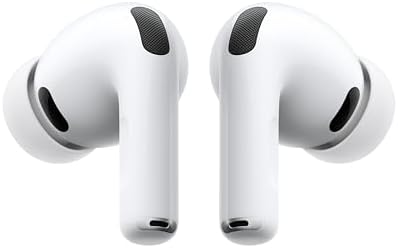
• H-series: AirPods
• N-series: Bluetooth connectivity
• W-series: Wireless connectivity
• C-series: Cellular connectivity
• T-series: Secure boot in legacy Macs
• U-series: Ultra-Wideband (UWB) in AirTag 2 and related devices
Each family is built around a specific purpose, but together they create a tightly integrated ecosystem that feels consistent no matter which screen you’re on.

Performance: Why Apple Had to Go Custom
So why did Apple go all-in on its own chips? One word: performance.
Third-party processors—like Intel’s—can be powerful, but they’re not tailor-made for Apple’s priorities. Apple wants chips that are extremely fast, incredibly efficient, and cool enough to fit into thin, mobile-first devices without sounding like a jet taking off.
Most Apple devices are designed for mobility: laptops, tablets, phones, watches, and even mixed-reality headsets. Battery life, heat, and weight matter as much as raw speed.
On top of that, Apple needed an edge over the wider PC market while still maintaining a strong relationship with Intel during the transition years. The real turning point came from the iPhone. As Apple iterated on its mobile chips, it noticed something: year after year, the performance was catching up to—and in many ways beating—traditional laptop CPUs.
That’s when the idea of putting Apple Silicon into the Mac stopped being a long-term dream and became an actual product plan.
Designing a Mac chip wasn’t just about speed. Apple had to consider:
• Performance for pro users
• Battery life for all-day work
• Thermal efficiency so machines stay cool and quiet
• Software compatibility so macOS and apps could fully take advantage of the hardware
With Intel, Apple had to bend its software to fit someone else’s roadmap. With Apple Silicon, the chip and software are built for each other. When the M1 landed in 2020, the reaction was basically: “Wait… seriously?”
It was a genuine industry shock. And instead of stumbling, Apple doubled down. The chips performed better than expected, and the rest of the market took notice.
Compatibility: Hardware and Software in Sync
Apple didn’t just want faster chips; it wanted tighter control over how hardware and software work together.
Think of it like this: If a car company buys its engines from a third party, it must design around whatever that engine can do. But if it builds its own engines, it can design the car and the powertrain together for exactly the experience it wants.
That’s essentially what Apple did.
By owning the whole stack, Apple could:
• Optimise macOS directly for its chips
• Deliver better battery life without sacrificing performance
• Reduce heat and fan noise
• Design feature sets that feel consistent across iPhone, iPad, and Mac
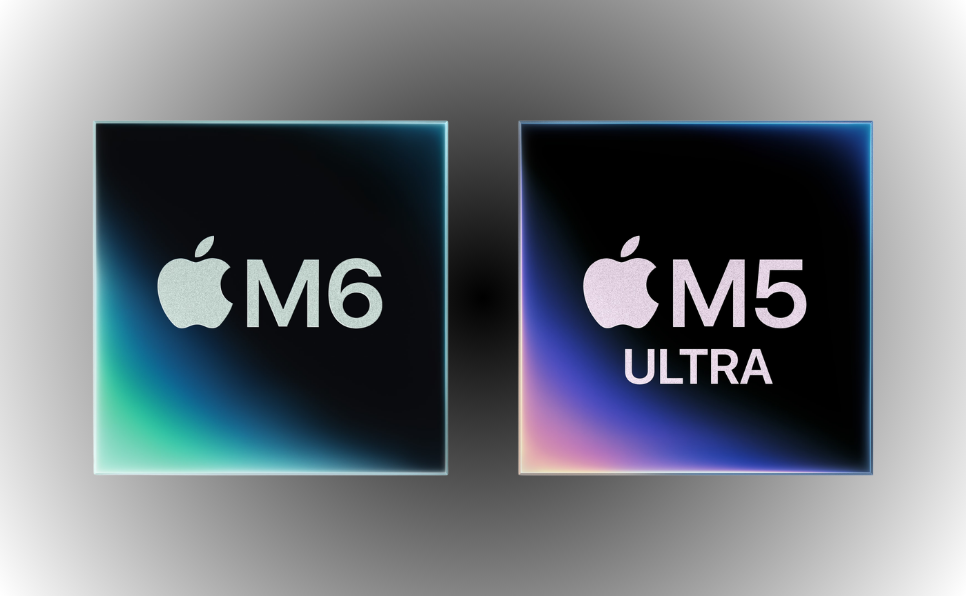
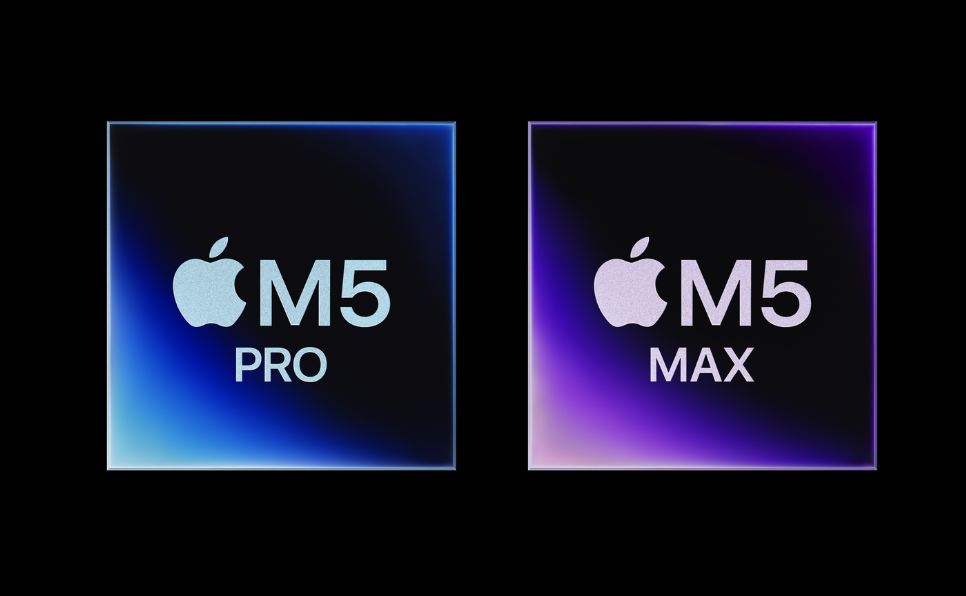
As the M-series evolved, Apple rolled out Pro, Max, and Ultra versions, each pushing performance further for creatives, developers, and power users. The one major trade off? You can’t run Windows natively on Apple Silicon the way you could on Intel Macs.
But here’s the twist: many users realised they didn’t need Windows on their Macs anymore. For tasks like video editing, 3D works, graphic design, and colour-heavy workflows, Apple’s machines have started outperforming many traditional workstations.
To reach this level, Apple had to think differently about everything—from architecture to energy usage.
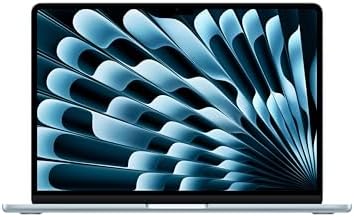
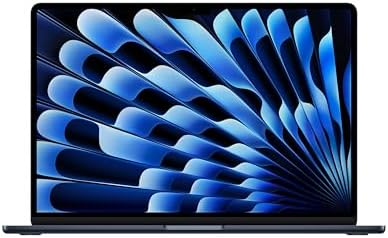
The latest M5 Pro and M5 Max chips reportedly deliver up to 8x the performance of the original M1 in certain workflows. It’s a clear signal: Apple isn’t just competing with the PC world—it’s trying to outrun its own previous benchmarks.
Future Tech: The Power of Unified Design
Unlike Intel’s traditional model, Apple leans heavily into unified architecture—bringing the CPU, GPU, Neural Engine, and memory into a single, tightly integrated system.
Instead of treating the processor, graphics card, and memory as separate components wired together on a board, Apple fuses them into a single chip. That means:
• Faster communication between components
• Lower latency
• Better performance per watt
• Simpler, more efficient designs
This unified design showed its potential when Apple dropped laptop-class chips into the iPad Pro. Suddenly, a tablet had Mac-level power, and the line between “computer” and “tablet” got a lot blurrier.
Apple has been steadily levelling up the A-series as well, to the point where the same Pro-level chips are now used in the MacBook Neo. That kind of cross-pollination only works when you control the full stack.
By unifying everything onto a single architecture, Apple has:
• Reduced reliance on third-party suppliers for core components
• Tightened its ecosystem so devices speak the same “hardware language”
• Set a new bar for what portable machines can do
Apple keeps positioning its hardware as the gold standard for creative and professional workflows. From day one of Apple Silicon, the company has framed these machines as “the world’s best workstations” for many users—and so far, the performance trajectory backs that up.
This chip strategy isn’t just a spec bump. It’s a long-term play that fundamentally reshapes what the Apple ecosystem looks and feels like—and it’s still unfolding.