
Table of Contents
This post contains affiliate links. If you buy through them, we may earn a small commission at no extra cost to you.
Robotics in Everyday Life: How Smart Machines Are Transforming the Way We Live
Robotics in Everyday Life: Why It Matters More Than Ever
Robotics is no longer a futuristic idea reserved for science fiction movies. It is already part of the way we live, work, travel, shop, and communicate. From robot vacuums cleaning our homes to AI-powered assistants answering questions in seconds, technology is becoming more integrated into daily routines than ever before.
At the same time, artificial intelligence is making these systems smarter, faster, and more responsive. Together, Robotics and AI are shaping a world where machines can sense their environment, process information, and act with impressive precision. That sounds exciting—and it is—, but it also raises important questions about privacy, security, and how much we should rely on automation.
In this article, we’ll break down what Robotics really means, how it adds value to modern life, where AI fits in, and what risks we need to watch out for as smart machines become part of our everyday experience.

What Is Robotics?
At its core, Robotics is the field of technology focused on designing, building, and operating machines that can perform tasks automatically or semi-automatically. These machines often use sensors, software, and mechanical systems to observe and respond to their surroundings.
A robot does more than move. It can detect motion, recognize objects, measure distances, sort items, and even make decisions based on programmed rules or learned behavior. In simple terms, Robotics combines sensing, processing, and action.
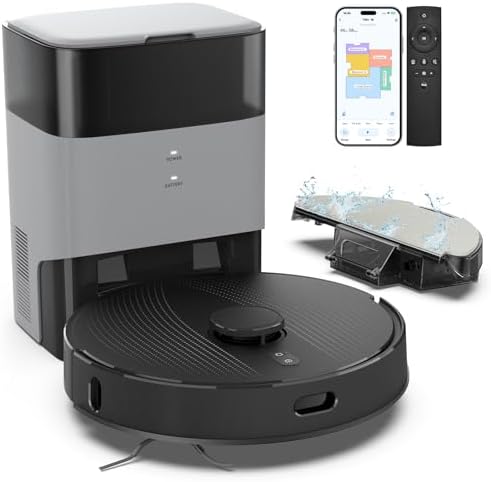
For example, a robotic vacuum can move through a room, detect furniture, avoid obstacles, and clean different surfaces without needing constant supervision. In factories, industrial robots can lift, sort, assemble, and transport products with incredible speed and consistency.
What makes Robotics so valuable is its ability to handle repetitive, dangerous, or precision-based tasks while reducing human effort and error.
What Is AI and How Does It Connect to Robotics?
Artificial intelligence, or AI, is the technology that allows machines and software to simulate aspects of human thinking. It helps systems analyze information, recognize patterns, learn from data, and make decisions.
If Robotics is the body, AI is often the brain.
AI enables robots and smart devices to respond more intelligently to changing conditions. Instead of following only fixed instructions, AI-powered systems can adapt based on what they detect. This is why so many examples of AI in daily life now overlap with robotics.
Machine learning, one of the most widely used branches of AI, allows systems to improve over time by learning from data. Voice assistants, recommendation systems, chatbots, and smart cameras all use this kind of intelligence to deliver better results.
When AI is combined with Robotics, machines become more capable of handling real-world situations. They can identify objects, understand speech, detect unusual activity, and respond more effectively to user needs.
How Robotics Adds Value to Everyday Life
The impact of Robotics is everywhere. Even if you do not notice it all the time, many of the tools and services you use every day are powered by robotic systems, AI, or both.
1. Smarter Homes and Daily Convenience
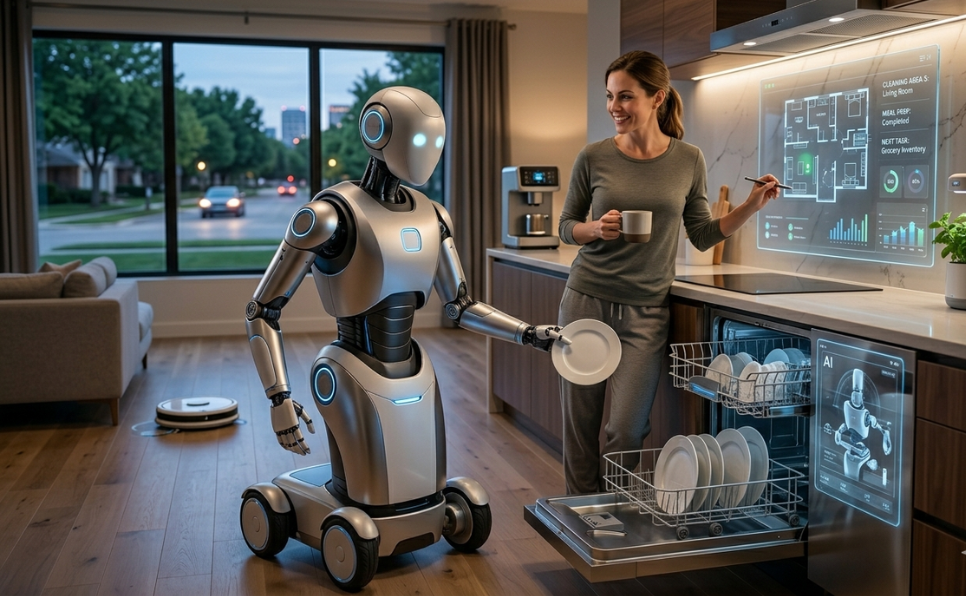
One of the biggest areas where Robotics is changing lives is at home. Smart appliances and robotic devices are designed to save time, improve comfort, and make everyday living more efficient.
Examples include:
• Robot vacuum cleaners that clean floors automatically
• Motion-sensing lights that turn on when someone enters a room
• Smart security cameras that detect movement and send alerts
• Automated climate systems that adjust room temperature based on habits
• Voice-controlled home assistants that manage reminders, music, and schedules
This rise in smart home technology is making homes more responsive and user-friendly. Instead of manually managing every task, homeowners can automate routine actions and focus on more important things.
2. Better Safety and Security
Security systems are becoming more advanced thanks to Robotics and AI. Cameras equipped with motion detection, facial recognition, and object tracking can distinguish between regular activity and suspicious behavior.
For example, a multi-sensor security system can recognize if someone is approaching your home, identify unusual movement, and alert you immediately. This makes security more proactive rather than reactive.
In many cases, these systems also help reduce false alarms because AI can interpret patterns more accurately than traditional systems.
3. Smarter Transportation and Autonomous Driving
One of the most exciting developments in Robotics is transportation. Self-driving technology and driver-assistance systems rely on sensors, cameras, and AI to detect roads, obstacles, traffic signs, and pedestrians.
These autonomous systems process massive amounts of information in real time and make split-second decisions to keep vehicles moving safely. While fully autonomous driving is still developing, many people already use robotics-powered features like:
• Lane assist
• Automatic braking
• Adaptive cruise control
• Parking assistance
• Collision warnings
These innovations are improving convenience and may eventually help reduce human error accidents.


4. Workplace Productivity and Office Support
The value of Robotics extends beyond physical machines. AI-powered digital tools are also helping people work faster and smarter.
Today, smart assistants can:
• Summarize long emails
• Draft replies
• Generate reports and documents
• Transcribe meetings
• Organize schedules
• Automate repetitive digital tasks
This is one of the clearest examples of AI in daily life. Whether someone works in an office, runs a business, or studies online, intelligent systems can reduce manual work and boost productivity.
5. Healthcare and Wearable Technology
Wearables and health-focused devices are another major way Robotics and AI are improving daily life. Smartwatches, fitness trackers, and monitoring devices can track heart rate, oxygen levels, sleep quality, and physical activity.
Some advanced systems can even detect irregular patterns and send alerts when a health risk may be present. In emergencies, certain devices can notify family members or emergency responders.
This ability to monitor health in real time adds enormous value, especially for older adults, people with chronic conditions, and anyone trying to stay proactive about wellness.
6. Household Assistance and Service Robots
Humanoid robots and household service machines are becoming more visible in conversations about the future. While they are not yet common in every home, the concept is growing quickly.
Robotic systems can already handle chores such as:
• Vacuuming
• Mopping
• Lawn maintenance
• Window cleaning
• Basic delivery tasks
As Robotics continues to advance, more household assistance could become available, helping people save time and reduce physical strain.
The Benefits of Robotics in Modern Life
The rise of Robotics brings several major advantages:
• Efficiency: Machines can perform tasks faster and with less downtime.
• Accuracy: Robots reduce mistakes in repetitive or precision-based work.
• Convenience: Everyday tasks become easier and more automated.
• Safety: Robots can take over dangerous or high-risk activities.
• Support: AI-powered systems can assist with work, health, and communication.
For consumers, the biggest benefit is simple: more time, more convenience, and smarter support in both personal and professional life.
The Risks and Dangers of Robotics and AI
Even with all the benefits, Robotics is not without concerns. As technology becomes more connected and capable, users need to stay aware of the risks.
1. Privacy Concerns
Smart speakers, cameras, wearables, and connected devices collect a lot of data. In some cases, these tools are always listening for voice commands or constantly monitoring activity.
That convenience comes with a trade-off. People may not always know what data is being collected, how long it is stored, or who can access it.
2. Data Security Risks
Any system connected to the internet can potentially be hacked. If a smart device stores personal information, location data, video footage, or health information, that data could become a target for cybercriminals.
This is why cybersecurity should be a major part of any discussion about Robotics and smart home technology.
3. Overdependence on Automation
As machines take over more tasks, people may become too dependent on them. If systems fail, users may struggle to respond quickly or perform the task manually.
Relying too heavily on automation can also reduce critical thinking in some situations.
4. Ethical and Social Challenges
AI and autonomous systems raise bigger questions about accountability, fairness, and job displacement. If a machine makes a mistake, who is responsible? How should data be used ethically? What happens when automation replaces human roles?
These are important issues that society will need to address as technology continues to evolve.
How to Use Robotics Safely in Everyday Life
To enjoy the benefits of Robotics while reducing the risks, it helps to follow a few practical habits:
1. Review privacy settings on smart devices before using them.
2. Use strong passwords and enable security updates regularly.
3. Buy trusted products from reputable brands with clear data policies.
4. Limit unnecessary permissions for cameras, microphones, and location tracking.
5. Stay informed about how your devices collect and use data.
Being tech-savvy is no longer optional. It is part of responsible digital living.

Final Thoughts
Robotics is no longer just about machines in factories or futuristic inventions in labs. It is becoming part of ordinary life through smart homes, wearable health devices, digital assistants, and intelligent transportation systems. Combined with AI, it is making daily routines easier, faster, and more connected.
At the same time, innovation should always come with awareness. The same technologies that make life more convenient can also pose privacy, security, and ethical challenges if used carelessly.
The future of Robotics is full of opportunity. As long as we understand both the benefits and the risks, we can use these powerful tools to improve everyday life in smarter and safer ways.
If there is one clear thing, it is this: Robotics is not just shaping the future—it is already shaping the present.