

Table of Contents
This post contains affiliate links. If you buy through them, we may earn a small commission at no extra cost to you.
Mental Health: How to Stay Balanced, Bounce Back, and Thrive Every Day
Mental health isn’t a “nice-to-have” anymore — it’s non‑negotiable. Just like the seasons change every year, our minds go through seasons too. Some days feel light and bright, other days feel heavy and confusing. But no matter what kind of day you’re having, your mental health is shaping the way you think, feel, and show up for your life.
We all experience mental highs and lows. You can be struggling in one area and still performing at your best in another. The goal isn’t to avoid difficult seasons — it’s to learn how to navigate them with awareness, tools, and support so you can stay grounded and keep moving forward.
In this post, we’ll break down what mental health actually means, why stability matters for your productivity and relationships, and how you can naturally build emotional resilience and mental wellness in everyday life.


What Is Mental Health, Really?
Mental health is more than just “feeling good.” It’s your overall ability to:
• Understand what’s going on in and around you
• Process your emotions in a healthy way
• Make decisions and solve problems
• Stay present and grounded under pressure
When your mental health is struggling, you might feel like your mind is “not working.” You hit a roadblock, and suddenly your thoughts spiral:
• “I can’t do this.”
• “This is too hard for me.”
• “Maybe this just isn’t for me.”
You feel drained, out of ideas, and overwhelmed. Your emotions take the driver’s seat. Then, months or years later, you look back and think, “If only I had tried a different approach.”
Here’s the truth: setbacks and challenges are built into life. They show up at home, at work, on the road, and even in how we talk to ourselves. Most of us are actually capable of handling a lot more than we think. The issue is rarely a total lack of ability — it’s that we haven’t trained our minds to respond in healthy ways.
The good news? Mental health is a skill set. You can train it, strengthen it, and keep improving it over time.
Why Mental Health Stability Matters for Daily Life
We live in a fast, noisy world. Work deadlines, family responsibilities, notifications, financial pressure, and social media all compete for your attention. Without solid mental health, this constant demand can quickly turn into burnout.
Stable mental health supports you in:
1. Staying productive – When your mind is clear, you focus better, solve problems faster, and make smarter decisions.
2. Handling stress – Instead of shutting down, you learn to pause, reflect, and choose your next step.
3. Building stronger relationships – Emotional resilience helps you communicate better, avoid unnecessary conflict, and show up fully for the people you care about.
4. Growing through challenges – You stop seeing roadblocks as signs to quit and start viewing them as turning points and opportunities.
Mental health stability doesn’t mean you never feel anxious, sad, or stressed. It means you have enough emotional resilience and stress management tools to ride out the lows and come back stronger.
The Inner Battle: Give Up or Get Up?
Any time you take on something challenging — a demanding job, a big move, learning a new skill, starting a side hustle — you’re forced to grow mentally, emotionally, and even physically. That expansion can feel uncomfortable.
That’s usually when two inner voices show up:
• One says: “Quit. Walk away. You’re not built for this.”
• The other says: “Get up. Don’t give up. You can handle this.”
Most of us hear both, often at the same time. Add the noise of social media, other people’s failures, and horror stories about burnout or broken dreams, and it’s easy to feel stuck, confused, or paralyzed.
So how do you decide whether to keep going or pivot? There is no one-size-fits-all answer, but there are mental health patterns that can quietly push you toward bad decisions.
Watch out for these mental traps:
1. Living Through Past Failures
Your past is real — but it’s not a life sentence. When your mental health is low, your brain loves to replay every failure on loop. You start to believe that because something didn’t work out before, it won’t work out now.
This mindset shrinks your options and kills your motivation. You see the present through the “failure filter,” assuming everything will end the same way. To protect your mental wellness, remind yourself: past patterns can inform you, but they don’t have to define you.
2. Fear in Disguise: Shame, Rejection, and FOMO
Fear doesn’t always show up as a loud panic. Sometimes it appears as:
• Fear of being judged or shamed
• Fear of failing publicly
• Fear of rejection — in relationships, at work, or in social spaces
• Fear of missing out (FOMO) if you make the “wrong” decision
All of these are different faces of the same thing: fear. Left unchecked, fear can pull your mental health down and push you into snap decisions — quitting too early, staying too long, saying yes when you mean no, or shutting down completely.
3. Confusing Facts with Truth
Sometimes, the facts really don’t look good. Maybe:
• Your current role feels stuck.
• Your project metrics are down.
• Your relationships are strained.
These are real facts. But facts can change.
The deeper truth is this: growth is messy, and progress is rarely linear. Just because your current season looks dry doesn’t mean your story is over. When you’re focused on mental health and emotional resilience, you start to see setbacks as feedback rather than final verdicts.
Let your decisions lean toward truth, not just immediate facts:
• Expansion isn’t punishment; it’s growth.
• Practice isn’t a waste; it’s experience.
• Setbacks aren’t dead ends; they’re turning points.
• Roadblocks aren’t full stops; they’re detours.
This mindset shift alone can dramatically improve your mental wellness.
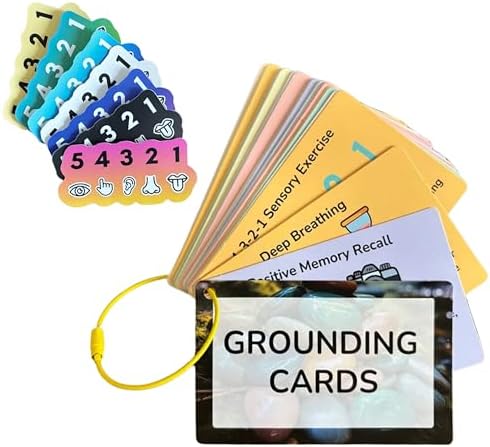

How to Naturally Support Your Mental Health
You can’t control every situation, but you can build habits that support your mental health every single day. Think of these as your personal toolkit for stress management and emotional resilience.
1. Learn to Read Your Inner Signals
Not every feeling deserves a reaction. Strong emotions are real, but they’re not always accurate reflections of reality.
When you feel overwhelmed, ask yourself:
• Is this emotion based on facts or assumptions?
• Is it coming from my past, from fear, or from current reality?
• What would this look like from a calmer perspective?
This kind of self-awareness is a core mental health skill — and a key leadership trait. It helps you respond rather than react.
2. Avoid Isolating Yourself for Too Long
Alone time can be healthy. We all need space to decompress and reset. But too much isolation can backfire, especially when you’re in a low mental health season.
Negative thoughts grow louder in silence. Past mistakes, fears, and worst-case scenarios can start to feel like the only reality.
Reach out, even if it’s uncomfortable:
• Speak with a trusted friend, family member, mentor, or therapist.
• Join a supportive community — online or offline.
• Share what you’re going through instead of carrying it alone.
Healthy connection is one of the most underrated tools for mental wellness.
3. Surround Yourself with Growth-Minded People
Your environment shapes your mental health more than you may realize. Spend time with people who:
• Encourage you to grow instead of staying stuck
• Speak honestly but with kindness
• Handle their own stress with maturity and responsibility
If possible, find a mentor who can guide you through tough seasons and model emotional resilience. The right people won’t just hype you up — they’ll help you see clearly.
4. Think “We,” Not Just “Me.”
Working as part of a healthy team can protect your mental health. When supportive people surround you, you don’t have to carry everything alone. You can:
• Share ideas and solutions
• Lean on others when you’re low
• Contribute your strengths while learning from theirs
The success of each member often depends on the strength of the team, and the team’s mental wellness depends on each member being willing to show up, communicate, and support one another.
5. Watch Your Habits — Especially Around Food
Your physical habits have a direct impact on your mental health. One area many people overlook is appetite.
• Skipping meals, overeating, or relying on junk food can drain your energy and mood.
• Eating mindlessly for comfort can create a cycle of guilt, low energy, and irritability.
Try to eat with purpose, not just for quick satisfaction. Nourish your body so your mind has what it needs to function at its best. This is a simple but powerful form of stress management.
6. Challenge Yourself — On Purpose
Mental health doesn’t mean avoiding discomfort. In fact, gently challenging yourself is one of the best ways to build emotional resilience.
Remind yourself:
• Failure after an honest effort is better than a lifetime of “what if.”
• The pain of growth is temporary; the pain of missed opportunity can last for years.
Set small, realistic challenges:
• Have the difficult conversation you’ve been avoiding.
• Learn a new skill, even if it feels intimidating.
• Stick to a small habit — like journaling or walking — for 10–15 minutes a day.
These micro-challenges slowly expand your capacity and support long-term mental wellness.


Final Thoughts: Choose Healthy Mental Stability on Purpose
Mental health doesn’t magically improve on its own. It grows when you choose to:
• Notice your early warning signs.
• Reach out instead of shutting down.
• Adjust your environment, relationships, and habits.
If you feel yourself slipping — struggling to focus, losing motivation, snapping at people, or wanting to withdraw — acknowledge it early and ask for help. That’s not weakness; that’s wisdom.
There is always a next step, and you are the only person who can ultimately take it. Don’t wait for someone else to rescue you. Support is powerful, but your decision to care for your mental health is the real turning point.
Healthy mental stability grows when you:
• Place yourself in uplifting environments
• Build honest, supportive relationships
• Create daily habits that protect your mood and energy
Take time regularly to check in with yourself:
• What habits are helping my mental health — and which are draining it?
• Who influences me the most, and how do they affect my mindset?
• Am I moving toward the life I want, or away from it?
You don’t have to have everything figured out. You need to be willing to look inward, make small changes, and keep choosing mental wellness on purpose.
Your mind is not your enemy — it’s your greatest asset. Take care of it, and it will take care of you.