
Table of Contents
This post contains affiliate links. If you buy through them, we may earn a small commission at no extra cost to you.
The Future of Foldable Phones: What’s Really Coming Next
Smartphones have been through every possible glow-up—tiny bricks, giant slabs, curved edges, notches, hole-punch cameras—you name it. And we’re still not done. There’s no single “right” way a phone should look, and that’s exactly what makes this moment so exciting.
Foldables and flip phones are shaking up the market again, and brands are pushing new ideas in size, shape, and functionality. As these devices evolve, businesses, designers, and developers need to rethink how we build for them—especially in terms of design, compatibility, and portability.
In this post, we’ll explore the types of foldable phones we expect to see in 2026, what Apple might be cooking up, how apps are adapting to these new form factors, and—most importantly—how practical these devices really are in everyday life.

Foldable Phones to Watch in 2026
Instead of listing every device launching this year, let’s look at the main types of phones that go beyond the usual “slightly better camera and faster chip” refresh. These are the form factors shaping where mobile is headed.
We’ll focus on three big categories:
• Flip phones (clamshell-style)
• Fold phones (book-style)
• Multi-fold / tri-fold phones
Flip Phones
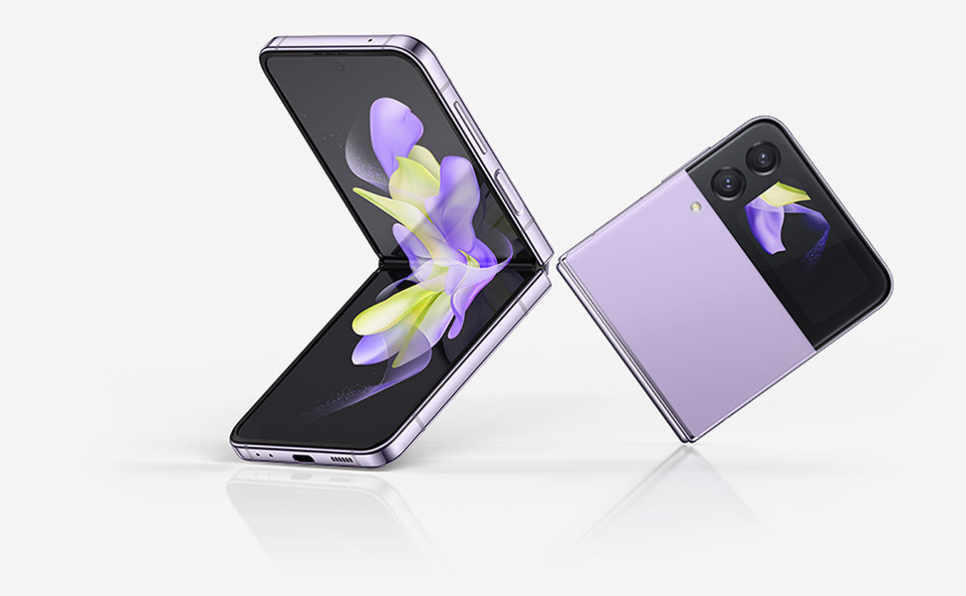
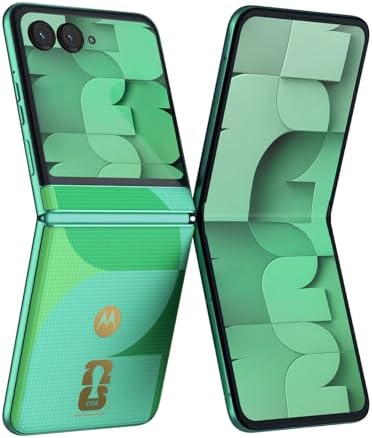
Flip phones—also called clamshell phones—bring back the satisfying snap while keeping all the power of a modern smartphone. They’re compact, pocket-friendly, and typically come with multiple screens for glances, notifications, and camera previews.
Some of the most popular flip phones available on the market:
• Samsung Galaxy Z Flip
Why people love them:
• Super portable
• Great for selfies and creative camera angles
• Outer display for quick actions without fully opening the phone
Fold Phones (Book-Style)
Fold phones open like a book, giving you a small screen on the outside and a tablet-like display on the inside. The thickness is spread across the fold, which also makes room for a bigger battery.
Many of these devices support multiple screens or split-screen modes, allowing you to run several apps simultaneously or switch to full widescreen when needed.
Some of the leading foldable phones currently:
• Samsung Galaxy Z Fold
• Google Pixel 10 Pro Fold
• Honor Magic V5
• OPPO Find N6
A big question here is: Are all apps prepared for these ultra-wide, flexible layouts? We’ll revisit this when discussing usability and real-world practicality.
Multi-Fold Phones (Tri-Fold and Beyond)
Multi-fold phones—especially tri-fold designs—are where things get really futuristic. These devices can unfold from a regular smartphone into something closer to a full tablet.
Examples include:
• Galaxy Z TriFold
• Huawei Mate XT
These phones aim to be:
• A phone when folded
• A tablet when fully opened
• A productivity tool in between
They usually pack massive batteries and complex hinge systems to make all of this work.
Are Tri-Fold, Flip, and Fold Phones Actually Easy to Use?
That’s the real question—not just “Can we build them?” but “Do they actually make sense in everyday life?”
People who’ve spent real time with these devices—travellers, power users, multitaskers—are the ones who can best explain where they shine and where they struggle.
Let’s break it down by type.


Tri-Fold Phones: Phone + Tablet in One
Tri-fold phones blur the line between smartphone and tablet. You can:
• View content like you would on a tablet when fully unfolded
• Switch to a regular phone experience when folded.
They are perfect for:
• Frequent travellers
• Individuals who work or consume extensive content while on the move
• Anyone seeking a tablet to avoid carrying a separate device
The trade-offs:
• They’re quite costly
• They typically need two hands
• They might be excessive for casual users or busy multitaskers seeking simpler options
For some, the size and cost don’t make sense. For others, they’re a productivity dream.
Fold Phones: The Book-Style Powerhouse
Fold phones function like digital books. You effectively get three screens:
• A standard outer display
• A large inner screen
• Inner layouts that can behave like two screens side by side
The inner display can feel like having a mini laptop screen in your pocket. It’s perfect for:
• Gaming
• Watching videos and movies
• Multitasking with several apps open simultaneously
Although they are large, many folds don’t seem too bulky, particularly when folded for:
• Calls
• Messages
• Quick email reviews
Who should think about a foldable phone?
• Anyone seeking more screen space without using a tablet
• Users who enjoy productivity on the move
There are no strict “rules” about who can use these—they mainly depend on how much you’ll take advantage of the extra screen space.
Flip Phones: Surprisingly Compact, Stylish, and Practical
Flip phones combine style with function. Featuring two main screen areas, they are portable and versatile for various uses:
• Innovative camera angles
• Hands-free video calls
• Fast replies and notifications on the outer screen
• Browsing and full app functionality on the inner display
Typical advantages:
• Compact and lightweight, fits easily in a pocket
• Reliable battery life considering their size
• High-quality camera performance
• Easy to use with one hand, feels natural
They’re also fashion-forward devices—often launched in bold colours and trendy finishes—making them popular with users who want something different from the standard rectangular slab.
As usage patterns differ, brands are targeting flip phones at more specific audiences based on lifestyle, aesthetics, and everyday needs.


Final Thoughts: Are Foldables Really the Future?
Think back to when Apple launched the iPhone Air—a super-thin device that looked stunning in the hand. Many people loved how it looked, but when it came time to buy, they still chose the Pro Max. Why? Practicality.
That’s the same lens we should use for foldables.
Are these phones unusable? Not at all.
• There is a real audience for them.
• There are genuine use cases—productivity, travel, creativity, and entertainment.
• They’re not gimmicks for everyone, but they’re perfect for some.
Now we’re all watching one major storyline: Apple’s rumored foldable.
If and when Apple enters the foldable space, it’s likely to come with:
• A heavy focus on practicality
• Thoughtful design decisions
• A strong ecosystem story (iPhone + iPad + Mac + Fold?)
Will the end of this year mark a turning point for foldables? Time will tell—but it definitely feels like we’re close to a new chapter in smartphone history.
One thing’s clear: the flat glass rectangle is no longer the only way forward.